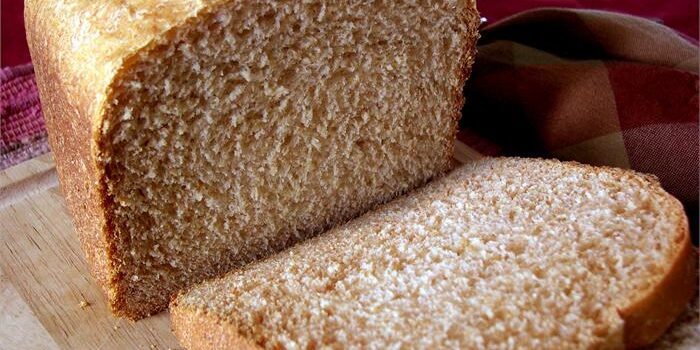
Whole wheat flour is produced by milling the entire wheat kernel — including the bran, germ, and endosperm — without removing any part. This makes it distinct from refined white flour, which has the bran and germ removed during processing.
High in dietary fiber, which supports digestion and helps regulate blood sugar levels.
Rich in natural B vitamins and essential minerals such as magnesium, zinc, and iron.
Contains antioxidants, primarily from the wheat germ and bran layers.
Though whole wheat flour contains less gluten than white flour and has a coarser texture, it is still suitable for a wide range of baked goods, including:
Whole wheat bread
Health-focused biscuits and cookies
Tortilla and flatbreads
Whole grain pancakes and muffins
To balance texture and nutrition, it is common to blend whole wheat flour with white flour in a ratio of 30–50%, especially in bread and cake recipes.
May reduce the risk of type 2 diabetes and heart disease
Supports weight management and promotes a feeling of fullness
Encourages healthy digestion
As consumers become more health-conscious, the food industry is increasingly embracing whole grain ingredients like whole wheat flour. Not only is it nutritious, but it also aligns with current trends such as “clean label” and “whole food”—making it a smart choice for both producers and consumers.

 Whole Grains Council. (n.d.). What is Whole Wheat Flour?